What Is an IPO? How Initial Public Offerings Work (2026 Guide)

Alice
November 13, 2026 · 5 min read

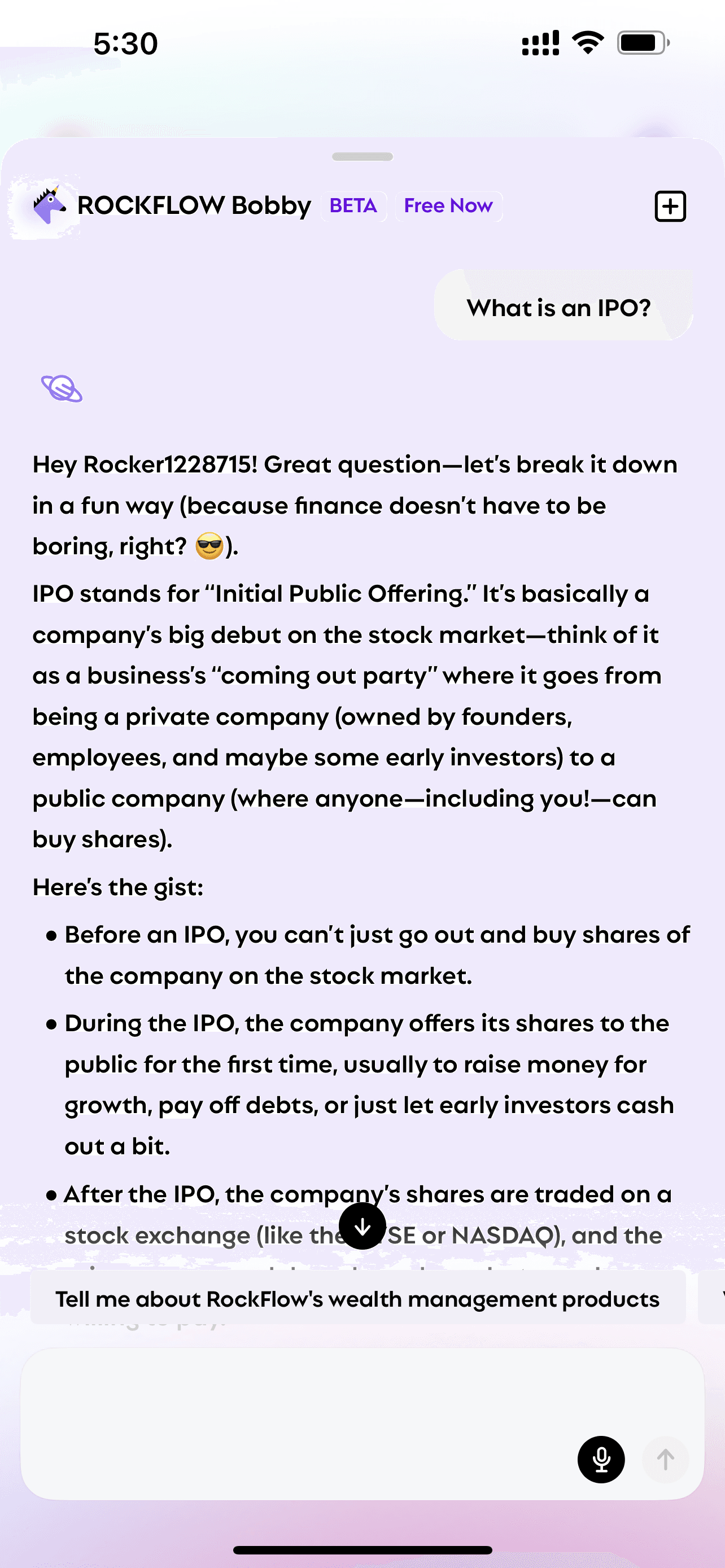
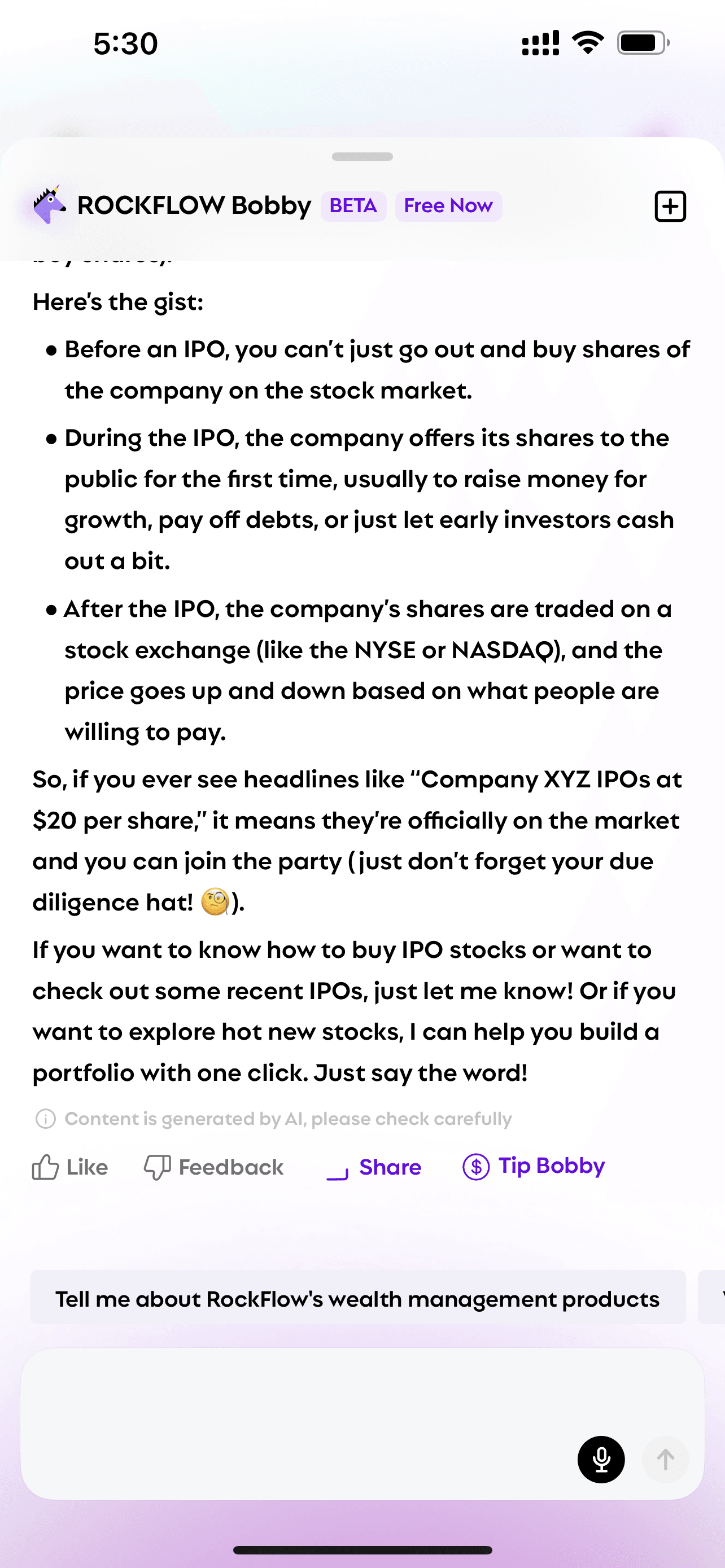
An IPO (initial public offering) is the first time a private company sells its shares to the public and lists them on a stock exchange such as the Nasdaq or the NYSE. After the IPO, anyone with a brokerage account can buy and sell the company's stock.
Companies go public to raise money for growth, to give early investors and employees a way to sell their shares, and to gain the visibility that comes with being a listed company. In return, they take on public reporting rules, quarterly earnings, and the scrutiny of the market.
How an IPO Works, Step by Step
- The company hires underwriters. Investment banks manage the deal, help set the price, and usually commit to selling the shares.
- It files with the regulator. In the U.S., the company files a registration statement (Form S-1) with the SEC. This document, often called the prospectus, discloses the business, financials, and risk factors. It is the single most useful thing to read before an IPO.
- The roadshow. Management presents the company to large investors, and the banks gauge demand.
- Pricing. The night before trading begins, the company and its underwriters set the final IPO price based on demand. Shares are allocated, mostly to institutional investors.
- Listing day. The stock starts trading on the exchange. The first trade often happens at a price very different from the IPO price, in either direction.
- The lock-up period. Insiders are usually barred from selling for a set period after the IPO, often 90 to 180 days. When it ends, extra shares can hit the market.
IPO Price vs. Opening Price
This is where many new investors get confused. The IPO price is what investors who received an allocation pay. Most individual investors can't get an allocation, so they buy once the stock opens for trading, at the opening price, which can be far above (or below) the IPO price. A headline like "stock jumps 50% on debut" usually measures the gain from the IPO price, not from the price most people could actually buy at.
IPO vs. Direct Listing vs. SPAC
| Traditional IPO | Direct listing | SPAC merger | |
|---|---|---|---|
| New shares sold? | Yes, the company raises new money | Usually no, existing shareholders sell | Yes, through the SPAC's cash |
| Underwriters set a price? | Yes | No, the market sets the opening price | Price negotiated in the merger |
| Lock-up for insiders? | Usually 90–180 days | Often none | Varies |
| Typical users | Most companies | Well-known companies that don't need new cash | Smaller or earlier-stage companies |
Why IPO Stocks Can Be Volatile
- Little trading history. There are no years of public price data, earnings calls, or analyst coverage to lean on.
- Limited float. Only a small share of the company may be tradable at first, so prices can swing sharply.
- Hype and attention. Big-name IPOs attract heavy media coverage, which can push prices away from fundamentals in the short run.
- Lock-up expiry. When insiders are allowed to sell, the extra supply can pressure the price.
None of this means IPOs are good or bad investments. It means the range of outcomes is wide, and the prospectus matters more than the headlines.
How to Research an IPO Before It Trades
- Read the S-1. Focus on revenue growth, profitability, cash burn, how the money will be used, and the "Risk Factors" section.
- Check the share structure. Look for dual-class shares that give founders extra voting power.
- Compare valuation with listed peers. A price-to-sales or price-to-earnings multiple far above similar companies needs a strong reason.
- Note the lock-up date. Put it on your calendar.
- Decide your plan before listing day. First-day prices can move fast; know in advance what you would and wouldn't pay.
Recent IPOs We've Covered
- SpaceX's 2026 IPO and how it is being valued
- CXMT's debut and what it means for global DRAM
- Figure Technology after its IPO
- BitGo's IPO and the crypto custody business
- Chagee's listing and China's tea-drink chains
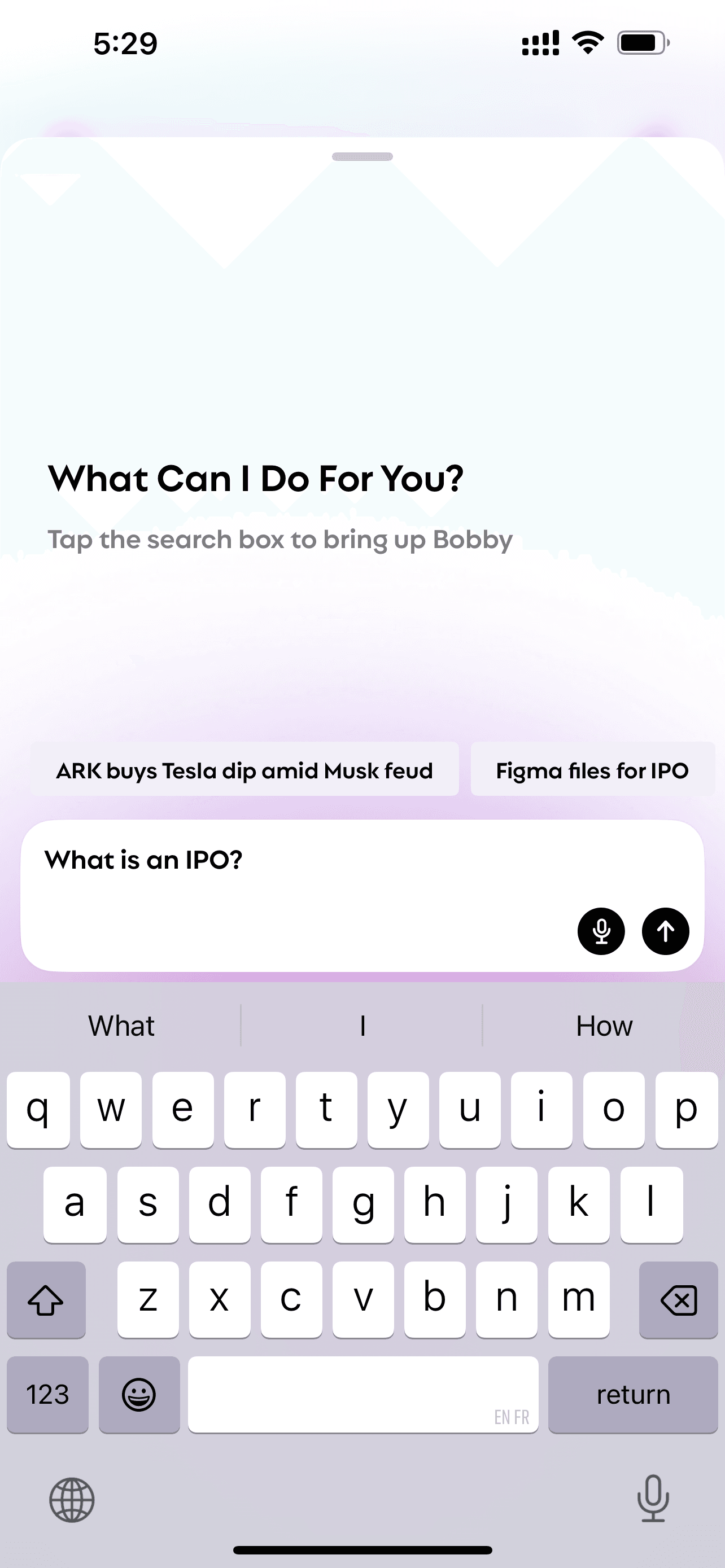
Using Bobby to Research an IPO
 |  |  |
|---|
Bobby is an AI research assistant for stocks. Ask it to summarize a company's S-1, compare an IPO's valuation with listed peers, or list the main risk factors in plain English, then check the original filing for anything that matters to your decision. Bobby helps you research; it doesn't tell you what to buy.
This article is for educational purposes only and is not investment advice. IPO investing carries significant risk, including the loss of principal.